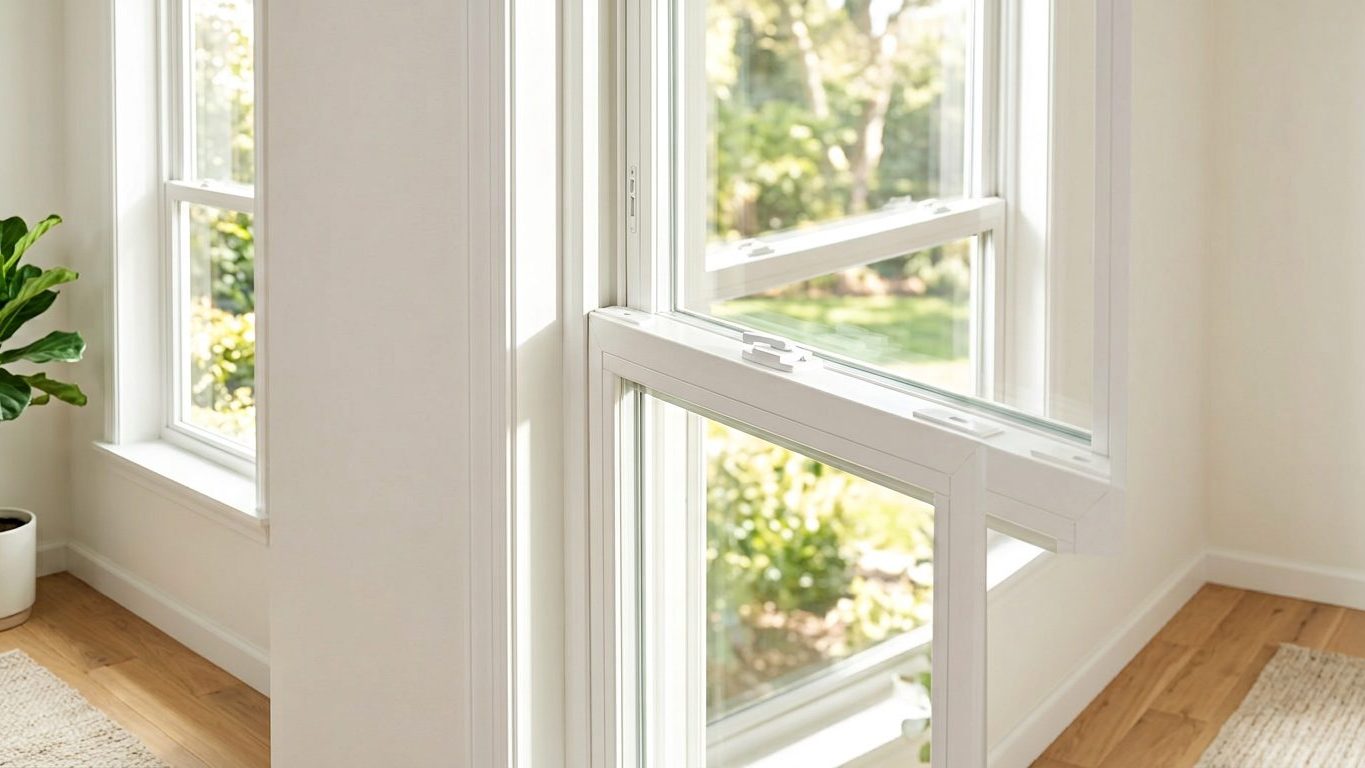
When Is the Right Time to Replace Your Windows?
Drafts, condensation and rising bills are all quiet signals worth acting on early.
Layout before tile, storage before taps, ventilation before finishing. The small decisions that determine whether a bathroom works well every single day.
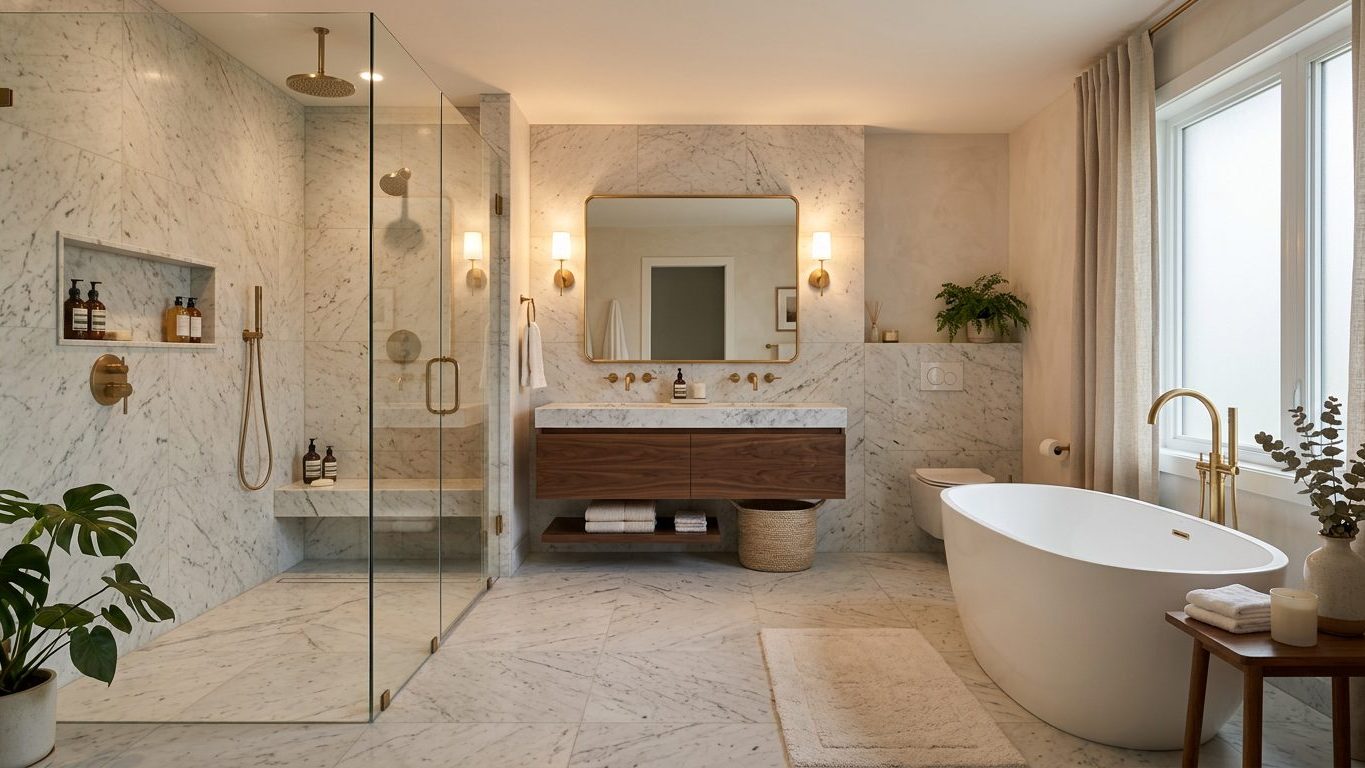
Bathroom projects have a reputation for going wrong, and most of that reputation comes from decisions made in the wrong order. A beautiful tile layout cannot rescue a layout that does not work. A stunning tap cannot fix storage that forces you to crouch every morning. A perfectly finished floor is wasted effort if water is still finding its way behind the wall.
The most successful bathroom renovations we have worked on share one characteristic: the layout was settled before anybody fell in love with a finish. Everything else — the tile, the vanity, the brass work, the lighting — is decoration on top of a plan that actually functions.
Start by standing in the room and working out what you need to happen there. Where do you get dressed, where do you get washed, where does the toilet sit when the door is open, and where do two people stand without negotiating? A bathroom that only works for one person at a time is a bathroom that will feel cramped forever, however beautiful it looks.
Door swing is worth checking properly. A door that opens into the shower, or that blocks the only clear route to the toilet, will annoy you daily. On a small bathroom, a sliding or outward-opening door frequently buys more usable space than any amount of clever cabinetry later on.
Most bathrooms that feel cluttered are not short on storage, they are short on the right storage in the right place. Deep niches recessed into the shower wall take no floor space at all, and a recessed cabinet above the toilet uses a volume most bathrooms simply waste.
Think about where things are actually used. Toiletries belong near the basin, towels near the shower or bath, cleaning supplies somewhere less prominent, and bins somewhere you can reach without crossing the room. Vanity storage should be planned around the trap and pipework, which in turn depends on the basin choice, which in turn should be decided before the cabinet is ordered.
Every attractive bathroom photograph is sitting on top of a continuous waterproof layer behind the tiles. If that layer is incomplete, discontinuous, or interrupted carelessly around penetrations, water will find its way into the wall cavity regardless of how good the tile looks.
We treat the wet areas as a tank: a continuous membrane across the floor, turned up the walls to an appropriate height, carefully formed around the shower and bath penetrations, with the different components bonded together rather than butted. Corners and joints are the places failures start, so they receive particular attention.
A well designed bathroom with poor ventilation will develop mould at the edges of the shower screen and behind the tiles within a few years, no matter how expensive the materials were. Extraction has to move air out of the room, which means it needs a route to do it properly.
A powerful fan in a room with no duct or window opening simply moves moisture into the structure. Where there is no external wall or window to extract through, a humidity-sensing ducted system is the correct answer. Underfloor heating also helps, not because it dries the room, but because it keeps the tile surface warm enough that condensation forms on it rather than on the ceiling and walls.
A single overhead light in a bathroom produces shadows on the face and makes the space feel smaller than it is. Layered lighting solves this: a bright, shadow-free source around the mirror, softer ambient light for the room, and a warmer accent in the shower or over the tub.
Colour temperature matters more than people expect. Mixing a cool overhead light with a warm mirror light makes skin look unpleasant and confuses the eye. Planning the temperature and the dimming together means the room can shift from bright and functional in the morning to softer and calmer in the evening.
A bathroom renovation is disruptive in a way that most other projects are not, because there is rarely another bathroom in the home. The schedule, the dust containment, the availability of water and power, and the ability to keep the area usable are all worth discussing before work begins rather than discovered halfway through.
Ask your contractor what the sequence of work will be, how long each stage takes, what cannot be used while the work is underway, and what has to be decided in advance. A contractor who can answer those questions clearly is usually a contractor who has done it properly before.
When two quotes differ significantly for what looks like the same finished bathroom, the difference is almost always in the preparation: the waterproofing extent, the subfloor, the ventilation, the plumbing, or the electrical work behind the walls. Those items are the bathroom. Everything else is decoration.
Choose the room you want to live with for a long time, plan the layout properly, and treat the hidden work as the most important part of the budget rather than the part to be trimmed. It is the only approach that reliably produces a bathroom that still feels good years later.
A bathroom that works beautifully is the result of a plan that was thought through before anything was bought.
Nova House GroupA bathroom that works beautifully is the result of a plan that was thought through before anything was bought. The tile is simply how that plan becomes visible.
Nova House Group delivers complete bathroom remodels, from a layout rethink and full waterproofing through to the final fixture and lighting commissioning. If you are planning a bathroom and want an honest view of what your space could become, call our Sacramento office or send us a message and we will arrange a consultation.
Practical guidance on caring for, improving and protecting your home.
Drafts, condensation and rising bills are all quiet signals worth acting on early.
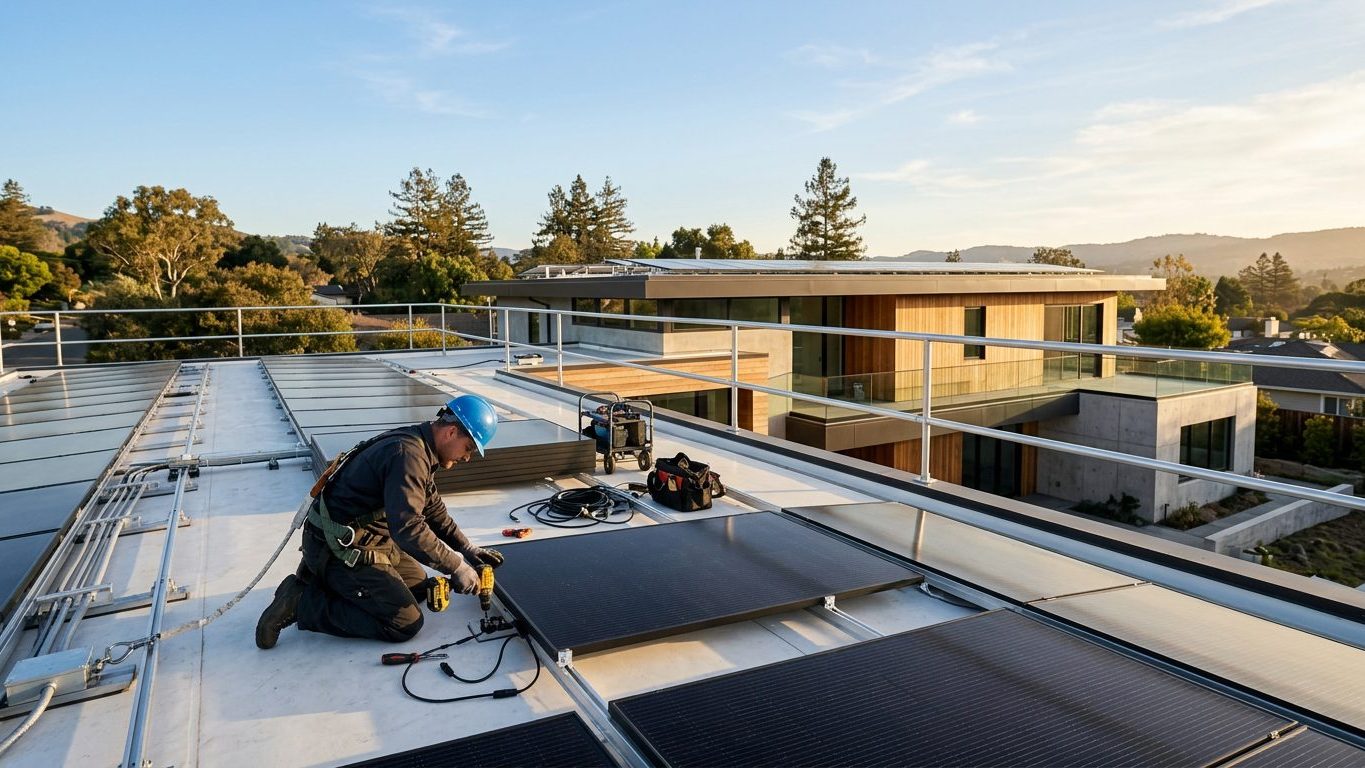
The sequence you choose can protect your panels, your roof and your investment.
Layout before tile, storage before taps, ventilation before finishing.